



Mombasa Governor Abdullswamad Sheriff Nassir has challenged African countries to remove the restrictions they have imposed on one another, saying the continent is undermining its own economic potential by making trade across borders unnecessarily difficult.
Nassir said Africa’s biggest obstacle to unlocking its vast market was not external competition but restrictions within the continent itself.
“The biggest enemy of Africa is Africa itself. We have so many restrictions,” Nassir said during the official opening of the 32nd General Assembly of the African Organisation for Standardisation (ARSO) in Mombasa.
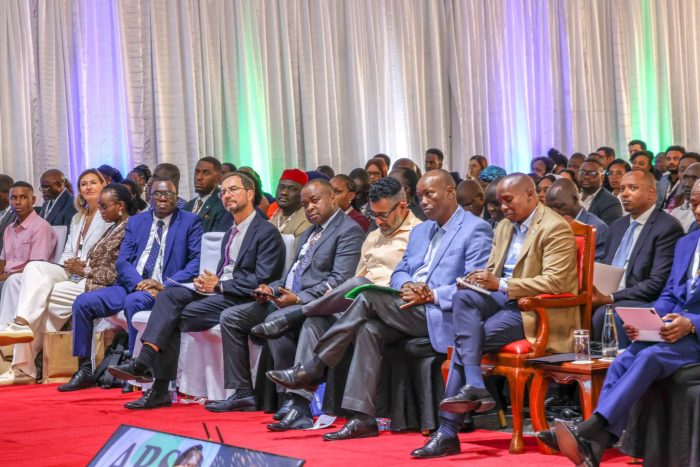
He said removing such barriers could unlock a market of about 1.6 billion people and create greater opportunities for small businesses and informal-sector entrepreneurs.
The governor said harmonised standards would also support Mombasa’s ambitions to expand its role in manufacturing, investment and sustainable trade.
He said common standards would strengthen intra-African trade, improve the competitiveness of industries and create new opportunities under the AfCFTA.
“For Mombasa, Africa’s gateway to the world, this is an important step towards expanding manufacturing, creating jobs and positioning our city as a leading hub for sustainable trade and investment,” Nassir said.
Kindiki said the same barriers were costing African businesses through repeated testing and certification.
He described Africa’s 54 separate regulatory systems as a major source of fragmentation, warning that a product tested and certified in one country could still face another round of testing after crossing into another market.
“A cement bag tested in Nairobi and retested in Lagos is wasteful duplication. This is a tax on African enterprise,” Kindiki said.
Investment, Trade and Industry Cabinet Secretary Lee Kinyanjui said the low level of intra-African trade demonstrated the scale of the challenge.
Kinyanjui put intra-African trade at about 17 per cent, compared with around 70 per cent in Europe, and said African markets must first become more accessible to businesses on the continent.
He said MSMEs needed certification to enable them to grow beyond their home countries and participate in larger regional and continental markets.
ARSO Secretary General Dr Hermogene Nsengimana said the organisation had already approved 214 harmonised standards covering 28 per cent of tariff lines, while more than 350 products had received the ARSO Quality Mark.
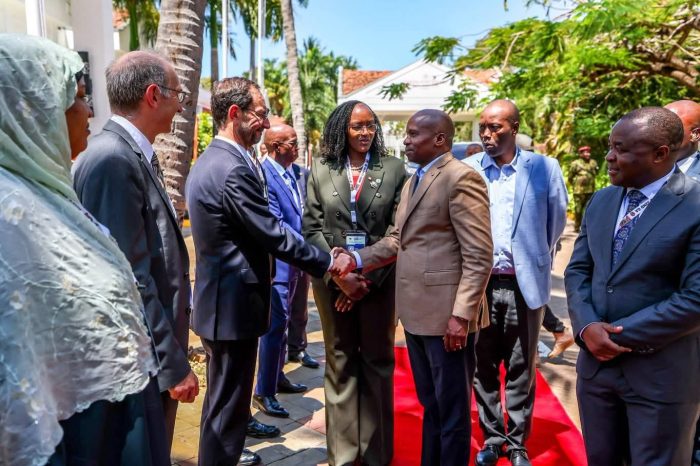
KEBS Managing Director Esther Ngari said the ultimate goal was to ensure that quality assurance earned in one country remained trusted when a product crossed into another.
Ngari said standards should create a chain of trust between manufacturers, regulators and consumers, allowing certification to function as a “passport for trade”.
ARSO President Kebapetse Botsile said the continent’s standards agenda was aligned with the wider goals of Agenda 2063 and the AfCFTA, particularly in addressing tariff and non-tariff barriers to trade.

The 32nd ARSO General Assembly, being held in Mombasa from August 24 to 28, brings together African standards institutions and trade stakeholders to advance harmonised standards and reduce technical barriers to intra-African commerce.