




Africa needs to strengthen payment systems, border processes and infrastructure to ensure businesses can fully benefit from the African Continental Free Trade Area (AfCFTA), AfCFTA Secretariat Secretary-General Wamkele Mene has said.
Mene said the continent must align national policies, modernise customs systems and enable cross-border payments in local currencies to make it easier for businesses to access markets across Africa.
He was speaking during a fireside conversation with Project Management Institute (PMI) Managing Director for Sub-Saharan Africa George Asamani at the PMI Global Summit Series in Cape Town.
Mene said fragmented payment systems continue to increase the cost of doing business across African markets.
He gave the example of businesses trading between Ghana and Kenya, saying they may have to convert their currencies through a third currency, usually the US dollar, before completing transactions.
According to Mene, currency conversion costs associated with intra-African trade are estimated at about US$5 billion annually.
He pointed to the Pan-African Payment and Settlement System (PAPSS), developed by Afreximbank in collaboration with the AfCFTA Secretariat, as one of the mechanisms that can help address the challenge.
PAPSS enables cross-border payments in local currencies, reducing the need for businesses to rely on third currencies.
Mene said the success of AfCFTA will depend not only on the agreement itself but also on the systems that allow businesses to trade across borders.
“We all have a contribution to creating a single integrated market,” Mene said.
He also called for customs authorities to implement agreed rules while governments align domestic policies with continental commitments.
Asamani said project management skills would be critical in coordinating institutions, managing risks and delivering infrastructure and systems across different countries.
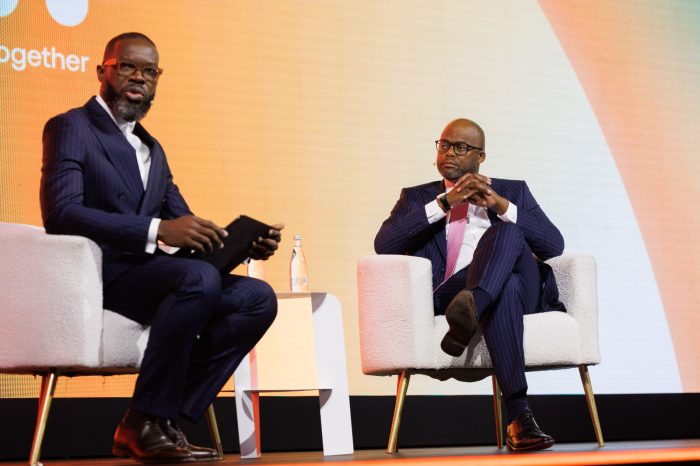
“A continental agreement becomes meaningful when a business can use it,” Asamani said.
Mene also addressed concerns over the impact of trade liberalisation on domestic industries, saying AfCFTA includes safeguards for sectors that may face disruption as markets open.
He said governments should assess potential losses and provide support to affected businesses while pursuing domestic reforms and continental cooperation.
Mene further called for greater investment in project preparation, trade infrastructure and digital systems.
He highlighted the Digital Trade Protocol as an important framework for creating conditions for investment in emerging technologies and data centres.
He said infrastructure projects should be planned alongside customs processes, digital services and the institutions responsible for operating them.
The discussion also focused on the need to strengthen Africa’s pool of project professionals to support infrastructure development, digital transformation and more effective public institutions.
Mene said the ultimate measure of AfCFTA would be whether businesses can enter new markets at lower cost and with less administrative burden.
The PMI Global Summit Series was held under the theme “Africa Delivers M.O.R.E. Together.”