




Kenya has reaffirmed its commitment to sustainable forest management and certification as African governments and international partners launched the Zámba Heritage Initiative during a high-level forestry conference held in Nairobi.
Speaking during the official opening of the Zámba Initiative Congress, the Chief Conservator of Forests from the Kenya Forest Service (KFS) Alex Lemarkoko said Kenya remains a leading voice on environmental sustainability both within the continent and globally.
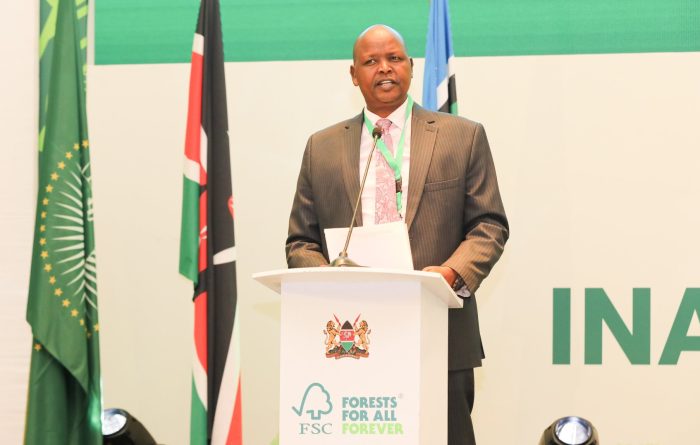
The conservator thanked the Africa and global leadership of the Forest Stewardship Council (FSC) for convening the meeting and for pushing for bold reforms in the forest sector, noting that the Zámba initiative aligns with Kenya’s national and continental environmental goals.
Kenya has rolled out policies aimed at increasing tree and forest cover, including the launch of a 15 billion tree programme, which supports Africa’s forest landscape restoration ambitions under the AFR100 Initiative.
The Chief Conservator said Kenya has also made progress in forest certification, having officially launched its FSC Interim Standard in 2021 to guide forest management certification and Chain of Custody (CoC) certification for firms trading in products from sustainably managed sources.
Within a year of launching the interim standard, KFS designated four forest blocks around the Aberdare Mountain Range, covering a total of 65,000 hectares, to pilot forest certification. He said the country remains on course toward delivering certification, supported by technical training from FSC.
“Once these forest blocks are assessed and certified, it will mark a major milestone in our pursuit of sustainability across both the public and private sectors,” the conservator said.
He added that Kenya currently leads Eastern Africa in Chain of Custody certification, driven largely by a growing packaging industry, and expressed optimism that certified forests will unlock ready domestic and export markets for Kenyan wood products.
The Chief Conservator said FSC certification supports Kenya’s broader environmental and economic objectives by enhancing market competitiveness, promoting sustainable rural livelihoods and contributing to national climate commitments. He called on FSC to continue working with African countries that have embraced certification to address skepticism surrounding timber products from tropical regions.
During the same event, FSC Director General Subhra Bhattacharjee said the Zámba Heritage Initiative is designed to deliver responsible forest management at scale, backed by concrete financial and institutional commitments.
FSC Africa Regional Director Dr. Peter Alele said the initiative targets the sustainable management of 30 million hectares of forests and the restoration of five million hectares of degraded forest land across Africa.
Forest economist Prof. Labode Popoola noted that while Africa holds about 16 per cent of the world’s forests, weak management planning and certification gaps continue to limit the continent’s participation in global forest product markets.
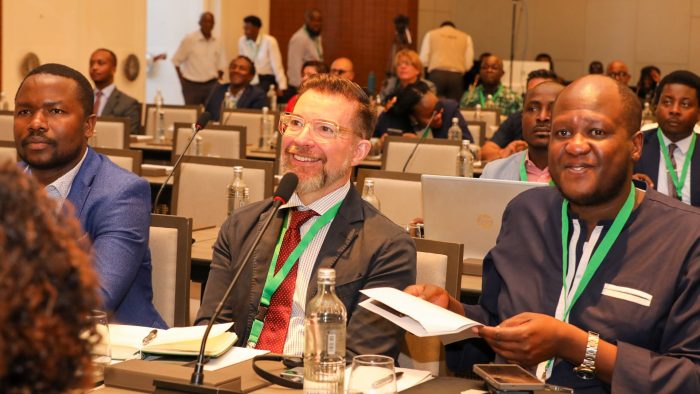
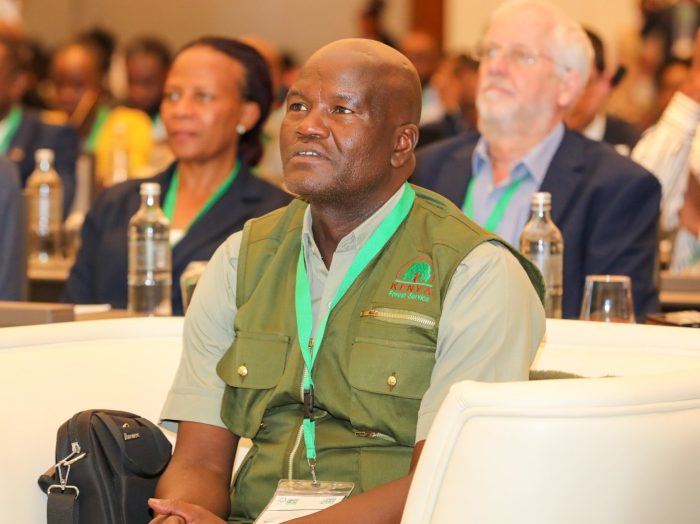
The Zámba Initiative Congress brought together ministers, conservators and government representatives from across Africa, with Kenya hosting FSC’s regional office in Nairobi.
The Chief Conservator welcomed delegates to Kenya and expressed optimism that collaboration under the Zámba Heritage Initiative would strengthen sustainable forest management across the continent.