





On a quiet stretch of the Kuruwitu coastline in Kilifi County, where turquoise waves meet coral outcrops teeming with colour, a quiet revolution is underway. Once on the brink of collapse, this marine ecosystem is now a model of community-led restoration, and it is attracting global attention, from King Charles to Canon International.
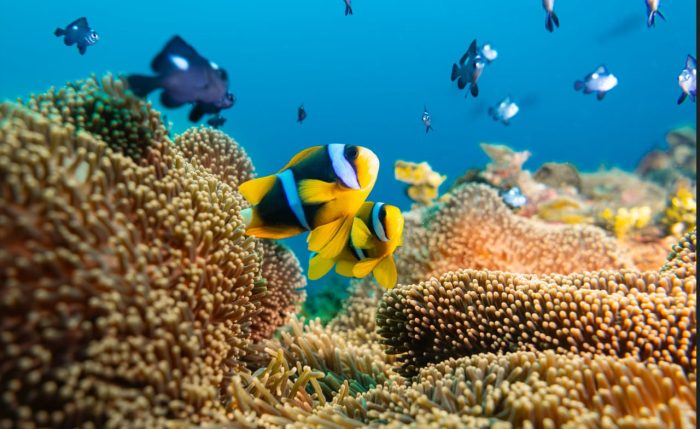
At the heart of the movement are fisherfolk, youth, and a powerful brigade of women who plant corals, run restoration programs, and lead one of the world’s first community-created tengefus, fully protected no-take marine zones.
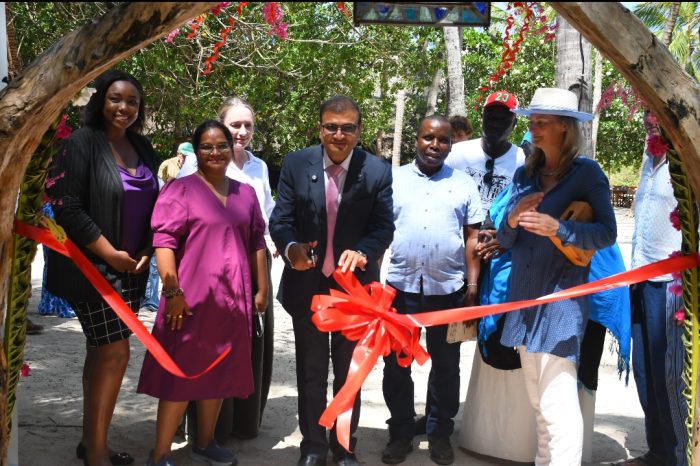
Their newest partner is Canon, through a regional initiative called World Unseen 2.0, which aims to use world-class imaging and storytelling to help communities reclaim damaged marine ecosystems while spotlighting the invisible world beneath the sea.
Canon meets Kuruwitu
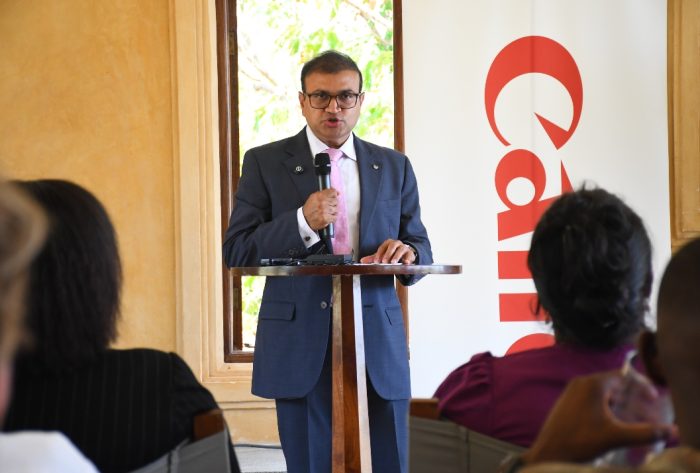
“We don’t want short bursts of activity. We want something consistent, meaningful, and long-lasting,” says Somesh Adukia, Managing Director of Canon Central and North Africa. From his base in Dubai, Adukia oversees operations spanning 40 African countries, but Kuruwitu, he says, stood out.
The company’s global philosophy, kyosei, living and working together for the common good, inspired Canon to choose coral reef restoration as a key pillar of its 2024/2025 environmental agenda.
“Africa’s coastal communities depend entirely on the reefs. Restoring coral is about rebuilding livelihoods, restoring dignity, and creating long-term opportunities. That is why World Unseen 2.0 had to start here in Kenya,” Adukia explains.
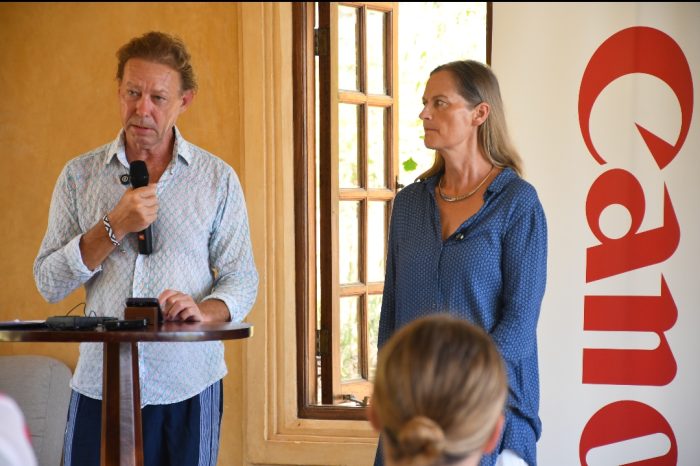
Canon found its ideal partner in Oceans Alive Foundation, a local conservation group with deep roots in community empowerment. The synergy was immediate: Kuruwitu hosts one of the oldest co-managed marine areas in East Africa, and Oceans Alive has spent years building trust with fishers, women, and youth.
The world underwater, and underreported
One goal of the partnership is to bridge a major journalism gap: underwater storytelling. Adukia notes that Kenyan journalists rarely report on what happens beneath the ocean because of limited training and access to underwater gear.
Canon hopes to change that.
“We want to understand what journalists actually need,” he says. “Underwater photography is a completely different ball game. But with proper training and the right equipment, we can make it possible.”
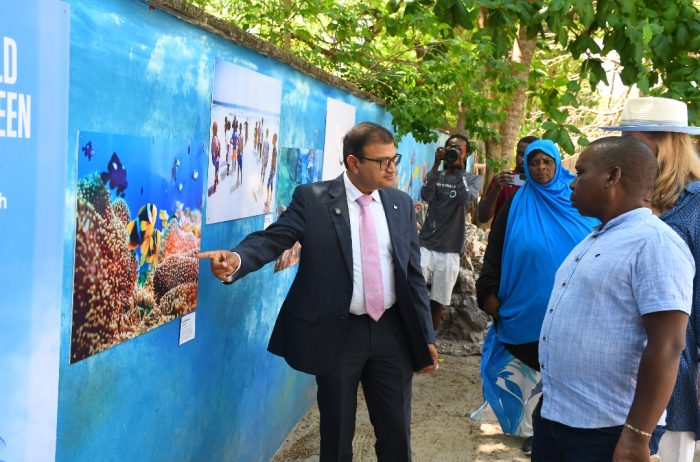
On a bright blue wall in the Kuruwitu marine conservancy, large underwater photos, shot using Canon’s EOS R8 and underwater housings, show vibrant corals, darting fish, and detailed textures that were once invisible to the communities that depend on them. Canon plans to publish future photos taken by local volunteers, interns, and emerging journalists, giving them a global platform.
“Our hope is that this wall becomes crowded with local work,” Adukia says. “Their stories deserve to be seen.”
Inside Kenya’s Oldest Community Marine Sanctuary
The Kuruwitu tengefu began as a radical experiment. Back in the early 2000s, fish stocks had dropped so sharply that families could barely eat. Asking fishermen to stop fishing in a designated area was almost unthinkable.
“It was an existential moment,” says Tilda Bowden, Director at Oceans Alive. “People were catching so little that they had nothing left to lose. We made a decision: if we don’t do something, we have no future.”
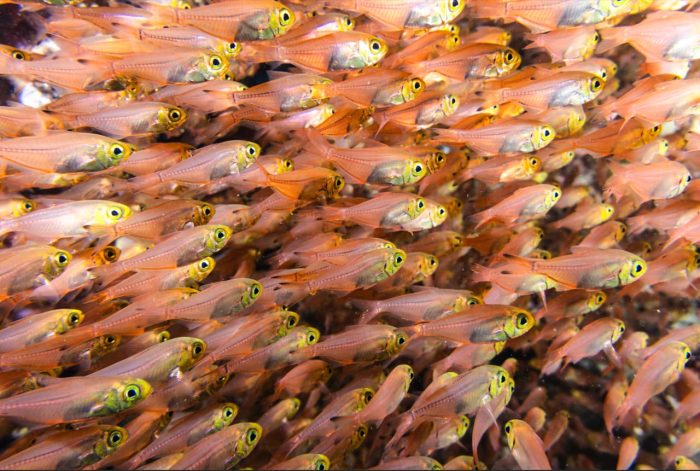
Kuruwitu residents agreed to close off 30 hectares of ocean, the first community-created tengefu in the world. Within 18 months, fish biomass grew by 400%, both inside and outside the protected zone. Fishermen started catching more fish outside the sanctuary than they had in years.
“It was counterintuitive, ‘don’t fish here, and you’ll fish more there’, but it worked,” Bowden says. “The model is now replicated globally.”
Women who never saw the sea, now plant the reef
Perhaps the most transformative change is happening among the women of Kuruwitu.
Mariam Chizaka Jabali, the chairperson of Kuruwitu Conservation and Welfare CBO, recalls a time when women were excluded from leadership entirely.
“For years the CBO was led by men. In 2023, we said enough, women must lead too,” she says.
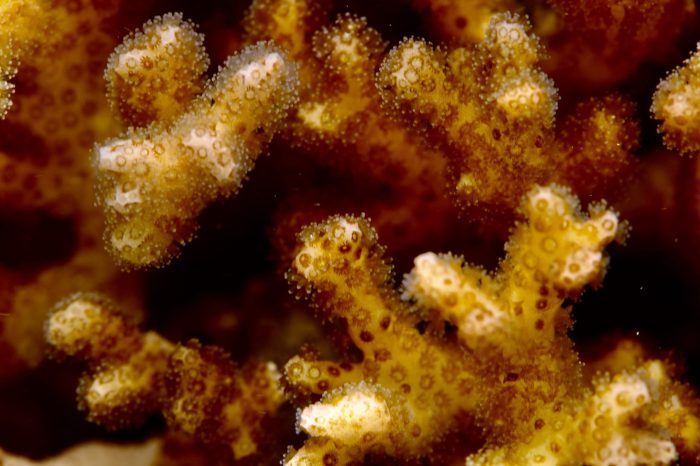
Today, Mariam leads a movement that trains women in beach clean-ups, waste sorting, permaculture, and now coral restoration. The same mama karangas who sold fish on the roadside now wear fins and masks, diving to plant coral fragments on concrete reef structures.
“Women never entered the ocean before,” she says proudly. “Now they plant corals and protect the marine area.”
Their work is not just ecological, it is economic. The restored reefs attract tourists, generate fees that pay marine guards and managers, and have revived fish numbers, providing income across the community.
Kuruwitu’s model is now a teaching hub: over 100 community groups from across Kenya have visited to learn and replicate the approach.
Restoring more than reefs
Oceans Alive’s approach goes far beyond conservation:
- Permaculture gardens to support households during rough sea seasons
- Aquaculture as alternative income
- School programs to teach marine ecology and climate awareness
- Youth engagement in conservation and eco-tourism
- Mama Karanga projects for women’s economic empowerment
- The partnership with Canon adds a new dimension: visual storytelling.
“With the right images,” Bowden says, “we can show the world what’s happening underwater, the beauty, the fragility, and the hope.”
A model for Africa and beyond
Canon plans to expand World Unseen 2.0 across Europe, the Middle East, and Africa. Activities have already begun in Seychelles and the UAE. But Kenya remains the heart of the program, the place where communities transformed crisis into opportunity.
Standing at the beach, Mariam reflects on the journey:
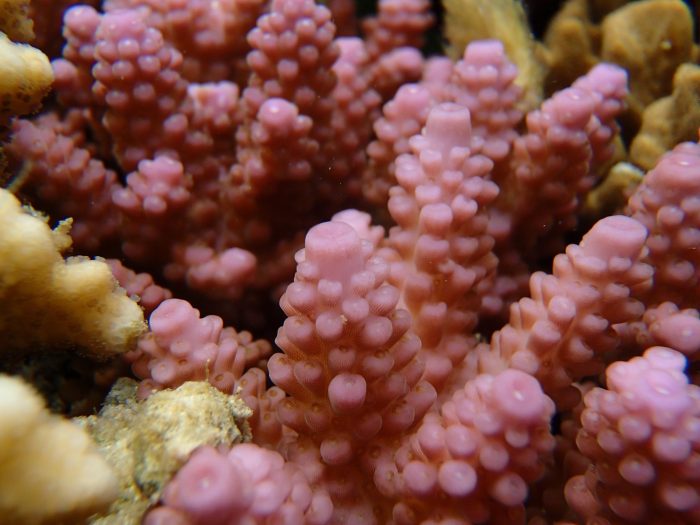
“People used to think corals were just stones. Now they know these are fish nurseries, the foundation of our future.”
For Kilifi’s women, youth, and fisherfolk, the world unseen is now a world reclaimed, one coral at a time.