



The 8th Reproductive Health Network Kenya (RHNK) Pan-African Adolescent and Youth Sexual and Reproductive Health and Rights (SRHR) Scientific Conference officially opened on Tuesday in Mombasa, ushering in a week of vibrant dialogue, youth-led innovation, and cross-sector collaboration to advance SRHR across Africa.
Held under the theme “Adolescent and Youth Sexual and Reproductive Health and Rights in a World of Emerging Threats and Opportunities,” the week-long gathering brought together young people, government leaders, health professionals, civil society, and development partners committed to reimagining how Africa delivers SRHR services and education.

In her opening remarks, Nelly Munyasia, Executive Director of RHNK, emphasized the urgency of prioritizing adolescent health, calling on stakeholders to act swiftly and decisively.
“This conference is urgent. Adolescents’ and young people’s lives are at stake. We need urgent measures and urgent strategies to address their issues,” Munyasia declared.
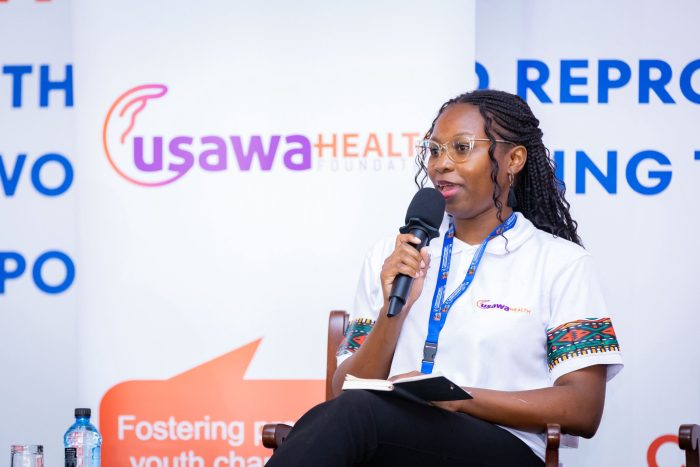
She highlighted the evolution of the conference into a unique space where youth voices are centered, and where governments, communities, and civil society align priorities to drive the SRHR agenda forward.
Representing the Ministry of Health, Dr. Jeanne Patrick reaffirmed Kenya’s commitment to adolescent and youth SRHR through comprehensive national programs and inclusive policy frameworks.
Also read: Sexual and Reproductive Health experts call for review of age of consent for contraceptive access
“Allow me to reaffirm Kenya’s unwavering commitment to adolescent and youth sexual and reproductive health through our national policies and programs. We recognize that investing in our youth is not only a moral imperative, it is an economic necessity,” she said.
Speakers across the opening sessions challenged misconceptions that SRHR advocacy reflects a foreign agenda, instead affirming that access to accurate information and quality services is a universal right critical to development and dignity.
Participants called for open, honest communication between young people and adults, particularly parents and teachers, and urged that personal or religious beliefs must not become barriers to access.
Youth advocates also championed innovative, creative approaches to Comprehensive Sexuality Education (CSE), blending music, film, theatre, and digital storytelling to make learning more relatable and impactful.
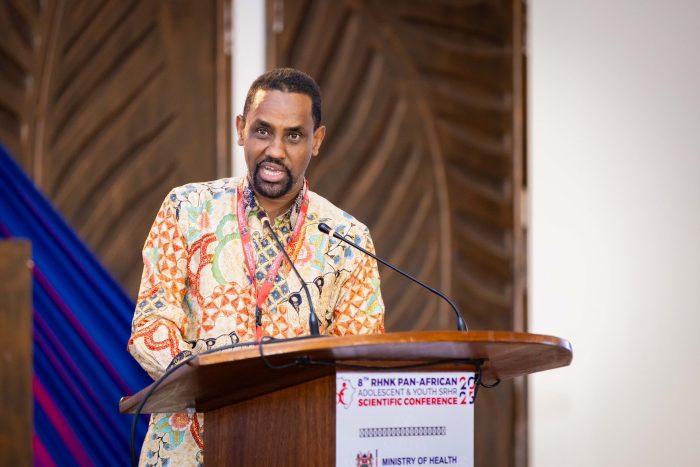
The importance of tapping into Africa’s demographic dividend was echoed by Mohamed Abdulkadir Sheikh, Director General of the National Council for Population and Development (NCPD).
“By 2030, Kenya will have 22.3 million youth aged 15 to 34, nearly a third of the population,” he noted. “With the right investments, this generation can lead transformation. Without them, we risk deepened inequalities and unrest.”
Throughout the week, the conference featured youth-led research, community-driven innovations, and policy dialogues spotlighting locally grounded solutions to improve adolescent and youth SRHR across the continent.
As the event concluded, delegates reaffirmed a shared commitment: to foster environments where young people can access the information, services, and support they need to live empowered, healthy lives, and to hold decision-makers accountable for translating promises into tangible action.