


The Ministry of Agriculture and Livestock Development has moved to safeguard the livelihoods of rice farmers under the Mwea Irrigation Scheme by announcing a sh.500 million intervention to mop up local rice stocks, following concerns over the impact of rice imports on local sales.
This follows a high-level stakeholders’ meeting held on May 29 at the Mwea Rice Growers Multipurpose Cooperative Society offices. The meeting was convened following directives by Agriculture Cabinet Secretary Sen. Mutahi Kagwe to urgently address farmers’ grievances about unsold rice stock and declining market competitiveness.
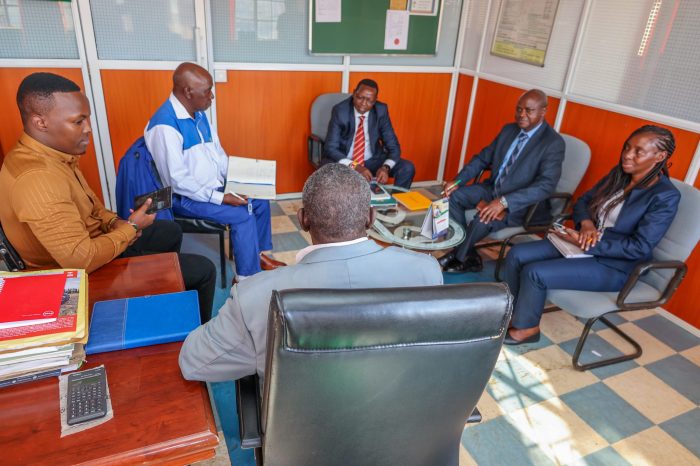
Key officials present included Agriculture and Food Authority (AFA) Director General Dr. Bruno Linyiru, Food Crops Directorate Director Calistus Kundu, Kenya National Trading Corporation (KNTC) Managing Director Lucy Anangwe, Cooperative Chairman Ndege Muriuki, and Manager Antony Waweru.
The central resolution of the meeting was KNTC’s commitment to purchase over 5,000 metric tonnes of locally produced rice, valued at approximately sh.500 million. Notably, the Cooperative is set to receive full payment within a month of delivery, addressing long-standing complaints about delayed payments that have strained farmers’ cash flows and operations.
The intervention aims to ease the glut in local rice supply and allow farmers from Kirinyaga and neighbouring counties to offload existing stock before new imports arrive.
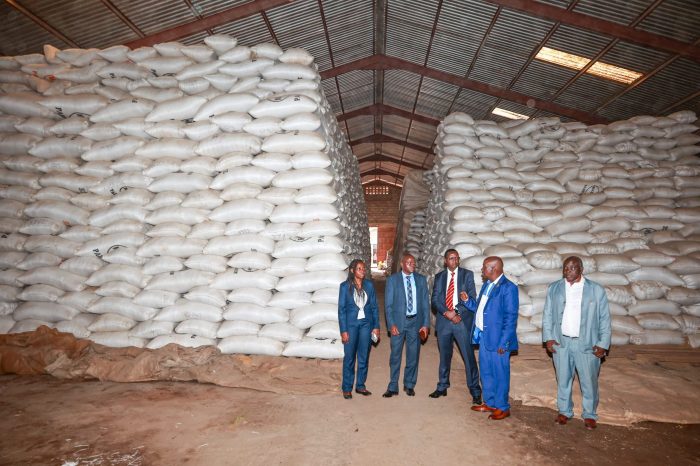
While acknowledging the national rice deficit, Kenya consumes nearly 100,000 metric tonnes monthly against a 2024/25 production of 191,000 metric tonnes, Dr. Linyiru emphasized the importance of prioritizing local production.
“Since January, only 94,000 metric tonnes of rice has been imported. The shortfall requires imports, but not at the expense of our farmers,” he noted.
Going forward, the Ministry and AFA are leading initiatives to cut rice imports by half. This will be achieved through expanding irrigation schemes, increasing land under rice cultivation, introducing high-yield varieties, and promoting upland rice farming.
Another key concern addressed during the meeting was the unethical practice of repackaging imported rice as local brands. AFA, in collaboration with the Kenya Bureau of Standards (KEBS), committed to intensifying enforcement to protect both farmers and consumers.
Gratitude for Infrastructure and Ongoing Support.
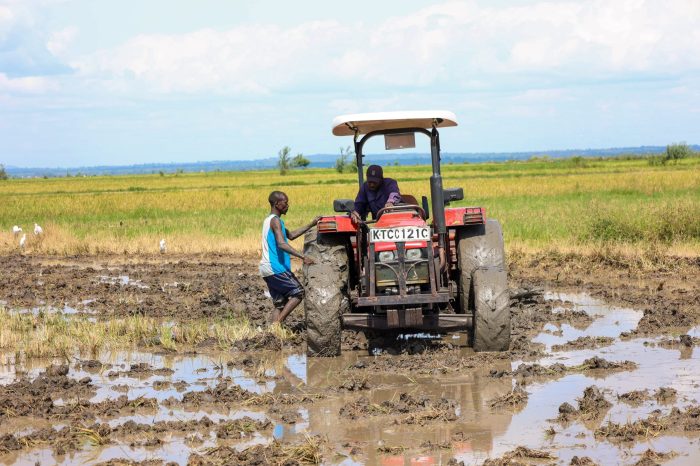
Farmers expressed appreciation for recent infrastructural investments, particularly the construction of Thiba Dam, which now enables up to three cropping cycles annually, significantly boosting production capacity.